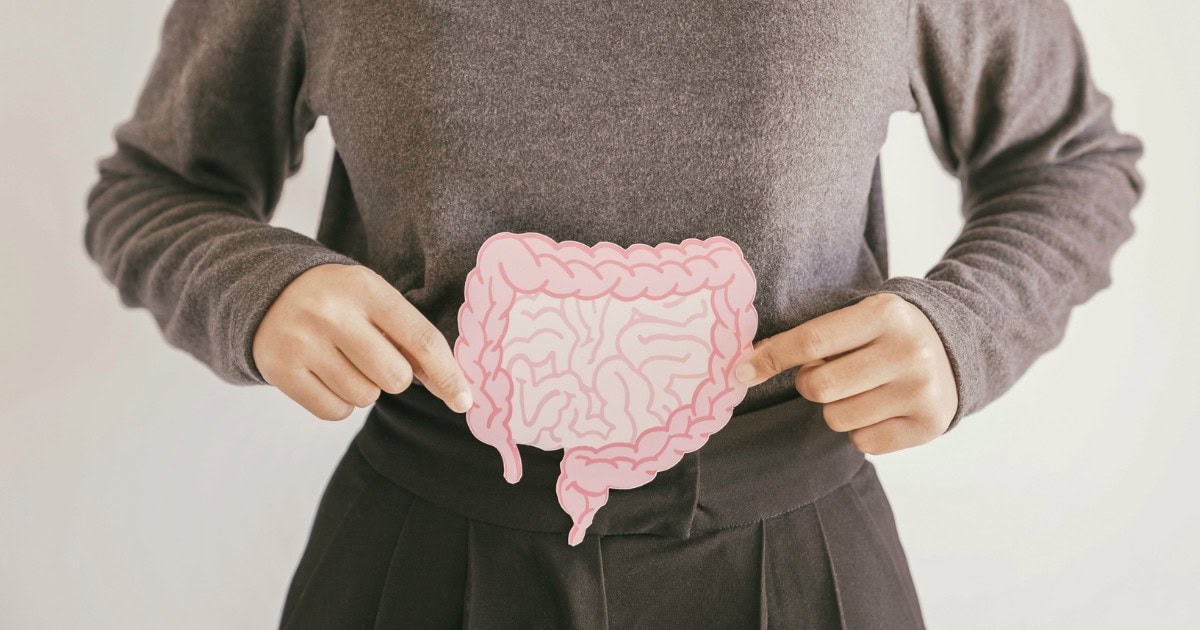
What exactly is the microbiome, and why might it be relevant to endometriosis? Here, we explore what we know so far and why EUmetriosis researchers are working to find out more.
What is the microbiome?
The microbiome refers to the entire habitat, including the trillions of microorganisms (bacteria, fungi, and viruses) that live in and on the human body plus their genes, the things they produce and the surrounding environment. The communities of microorganisms themselves are known as the microbiota. We can think of this as the microbiome being a house, and the microbiota being the people who live there. The largest and most studied community lives in the gut, but microbial communities also exist in other areas of the body, including the reproductive tract.
Humans and their microbiota live in a close and mutually beneficial relationship: we provide an environment for microbes to live, while they support important functions such as digestion, immunity, and overall wellbeing. When this balance is disrupted, it may affect health and contribute to inflammation and disease. The composition of the microbiome can vary greatly between individuals and is strongly influenced by lifestyle and biological factors. In particular, diet is one of the main drivers shaping microbial composition, while hormonal and physiological differences between males and females can also influence the types and abundance of microbes present in the body.
Why might the microbiome matter in endometriosis?
Emerging research suggests that people with endometriosis may have differences in their gut and reproductive microbiome compared to those without the disease. It is not yet known whether these differences are a cause, a result, or a feature of endometriosis, and researchers are beginning to explore what they might mean for symptoms, treatment, and overall wellbeing.
There is growing evidence that the gut and the brain constantly communicate through what is known as the microbiome–gut–brain axis. Some gut bacteria can produce molecules that influence inflammation, immune responses, and pain processing, which may help explain why endometriosis is often associated with symptoms such as pelvic pain, bloating, fatigue, stress, and mood changes.
At the same time, living with chronic pain and inflammation may itself affect the microbiome through changes in stress levels, sleep, diet, medications, and daily habits. This suggests that the relationship between endometriosis and the microbiome may work in both directions.
Researchers are also exploring how the microbiome interacts with female hormones, such as oestrogen and progesterone. Some gut bacteria are involved in the metabolism and regulation of these hormones, which may be particularly relevant in a hormone-dependent condition like endometriosis. In addition, the vaginal microbiota may also play an important role in reproductive health, including fertility, implantation, and pregnancy.
Together, these observations suggest that the microbiome could represent an important piece of the puzzle in endometriosis, although much still remains to be understood.
What are EUmetriosis researchers investigating?
Several EUmetriosis studies are actively collecting microbiome data as part of their work, this includes:
The PEARL Study (Pain in Endometriosis and the Relation to Lifestyle), led by Radboud University Medical Center in the Netherlands, is exploring whether an anti-inflammatory diet and Cognitive Behavioural Therapy (CBT) can reduce pain and inflammation in those with endometriosis.
The DANTE Study (DietAry interveNtion in ameliorating fertiliTy parameters in women with Endometriosis undergoing IVF), led by researchers in Milan, is examining whether a 12-week anti-inflammatory Mediterranean-style diet can improve fertility outcomes in people with endometriosis undergoing IVF. The study is looking at how dietary intervention influences microbial composition – alongside measures of systemic inflammation, hormone levels, and quality of life.
ENDO1000 will collect data and biological samples from 1000 people with endometriosis over a two-year period across the UK and Croatia. Participants will use a mobile app alongside a smartwatch that will track physical activity, sleep and daily rhythms, providing an insight into lifestyle factors of those with endometriosis. Data will also be gatheredon diet, the gut microbiome, inflammation and hormone levels.
All of these studies are being conducted in close collaboration with University College Cork and APC Microbiome Ireland, one of the world’s foremost centres for microbiome science. The FemmeBiome Team at UCC is leading the microbiome component of this research and is responsible for analysing every microbiome sample collected across the programme. By integrating high‑resolution microbiome sequencing with detailed data on pain, inflammation, hormones, diet, and lifestyle, this initiative is set to generate the largest and most comprehensive microbiome database for endometriosis anywhere in the world. This unprecedented dataset will allow researchers to uncover why endometriosis presents so differently across individuals and to drive the development of more personalised, mechanism‑based approaches to diagnosis, treatment, and long‑term care.
The team at The Medical University of Lublin are exploring how the immune system may contribute to the development and persistence of endometriosis. By analysing immune cell activity and identifying potential biomarkers, the team are trying to understand disease challenges, develop new diagnostic tools, and integrate biological insights into better data models.
What does this mean for endometriosis right now?
It is important to note that the science is still developing. What we do know is that diet can influence the microbiome, and that the microbiome in turn influences inflammation and immune function, both of which are relevant to endometriosis. We know that patients are interested in diet as a self-management strategy for endometriosis symptoms and this is why high-quality research matters. Without it, the space is filled by unverified claims that may do more harm than good.
The studies being conducted through the EUmetriosis project aim to seek evidence that can meaningfully inform clinical guidance and patient care.
Looking ahead
As well as the microbiome, EUmetriosis researchers are also exploring epigenetic changes, hormonal factors, and psychological factors of living with endometriosis. The goal is a more personalised, integrated approach to care that takes the whole person into account.
As the research develops, we will share updates here. In the meantime, if you are considering making dietary changes to manage your symptoms, we encourage you to speak with a qualified healthcare professional who can offer guidance based on your individual needs.