“Self-management strategies might help – but we need strong research to prove it.”
Receiving a diagnosis of endometriosis often marks the beginning of a long journey in which many individuals actively seek strategies to regain control over their well-being. Beyond managing pain and daily symptoms, fertility challenges add another layer of emotional and physical complexity. For some, treatment options do not always lead to success and the desire to “optimise every possible factor” grows even stronger.
As a result, many individuals turn to complementary and alternative medicine or self-care approaches – including dietary changes – in hopes of improving both their well-being and fertility. This interest is understandable, as emerging evidence shows that chronic, low-grade inflammation is a key feature of endometriosis and can affect ovarian function, egg quality, and early stages of reproduction. This has increased interest in anti-inflammatory diets as a possible way to support symptom management and fertility. Improving diet before conception is also important, as healthier nutrition can support a safer pregnancy, healthy foetal development, and better pregnancy outcomes.
However, while dietary changes are a popular self-care approach, not all information that patients encounter is reliable. On social media, exclusion diets and “fertility nutrition plans” are often presented through compelling messaging, influencer testimonials, and marketing strategies that create a sense of urgency or promise. These messages are highly visible, emotionally persuasive, and widely shared, yet they frequently lack scientific validation and are not endorsed by qualified professionals. As a result, individuals may adopt restrictive regimens without a medical indication and with the unintended consequence of reducing diet quality or creating unnecessary anxiety around food.
Despite the widespread interest and the understandable motivation behind these choices, robust scientific evidence is still limited. This is why the DietAry interveNtion in ameliorating fertiliTy parameters in women with Endometriosis undergoing IVF (DANTE) study aims to evaluate whether an anti-inflammatory diet can enhance fertility outcomes in individuals with endometriosis undergoing in vitro fertilization (IVF).
What is the DANTE Study?
The DANTE study is a single-center, randomized controlled, non-pharmacological interventional trial in patients living with endometriosis who are infertile and requiring IVF. The study is led by researchers at Fondazione IRCCS Ca’ Granda Ospedale Maggiore Policlinico in Milan.
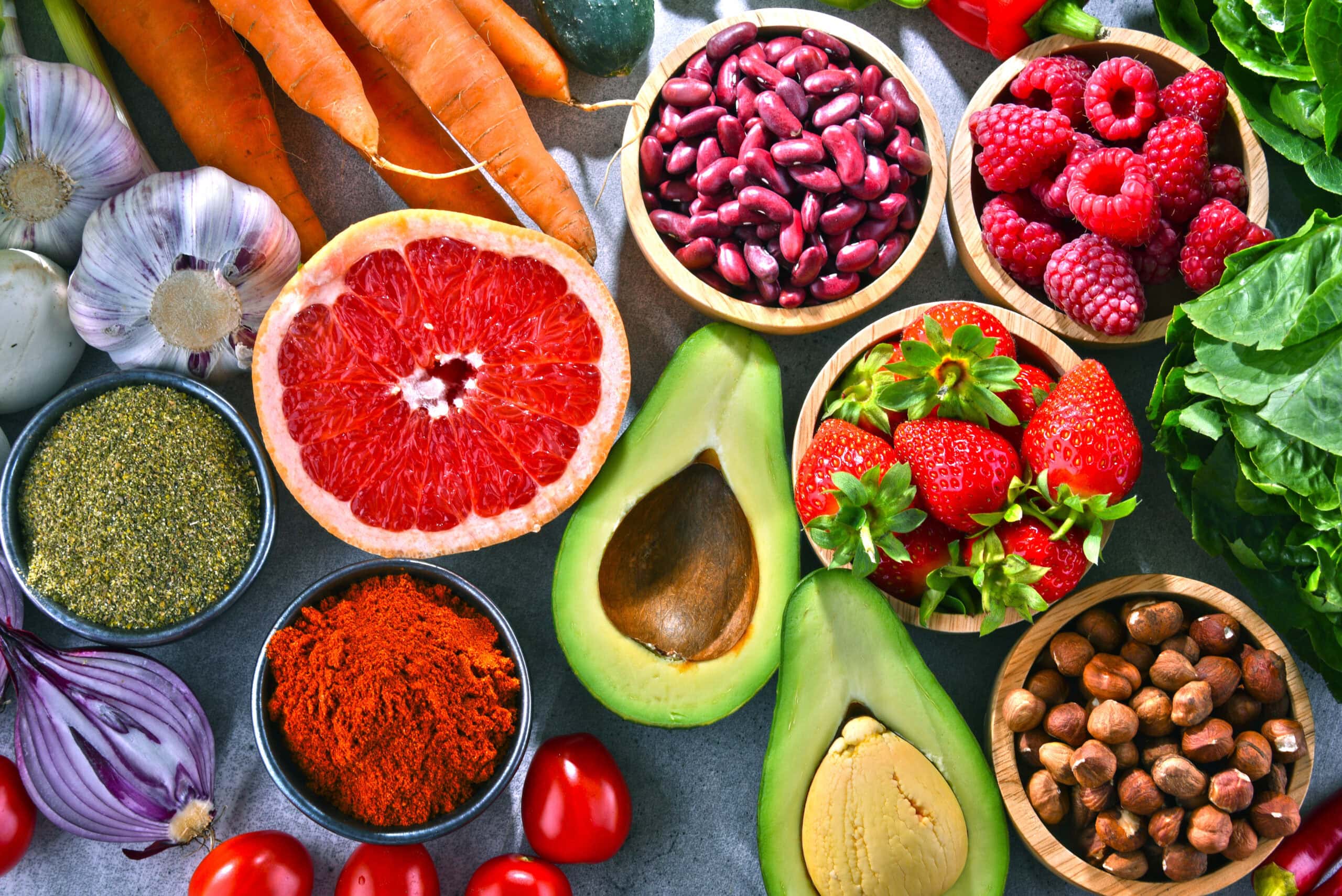
Participants in the study will be allocated to either a 12-week anti-inflammatory diet based on Mediterranean diet principles, or no dietary changes before the beginning of controlled ovarian stimulation for IVF.
The study will recruit individuals of reproductive age who are experiencing difficulties in achieving pregnancy and have been diagnosed with endometriosis. The study aims to recruit approximately 400 participants.
What could we learn from the DANTE Study?
Together with fertility outcomes as the number of retrieved oocytes (developing eggs), the study will address the broader impact of the dietary intervention on several clinical, biological, and patient-reported outcome measures including:
- Systemic inflammation: Does the diet reduce inflammation in the body?
- Microbiome changes: How does diet influence microbial composition?
- Quality of life: Does the diet reduce symptom severity, reduce pain, and improve sexual function?
- Hormonal changes: Does the diet result in changes in the body’s hormone levels?
Contributing to EUmetriosis Project Objectives:
Finding new ways to improve fertility and well-being is essential for individuals with endometriosis. The DANTE study aims to bring new evidence-based solutions investigating nutrition as a safe, affordable, and potentially complementary approach to traditional fertility treatments.
While dietary changes may not be the answer for every patient, the findings from this study could have the potential to introduce non-pharmacological strategies capable of supporting both reproductive success and quality of life, while also addressing the systemic inflammation associated with endometriosis. . By providing rigorous data in an area currently shaped by mixed messages and marketing-driven claims, this study may offer valuable insights for developing future dietary recommendations, enhancing patient counselling, and supporting integrated care frameworks for patients with endometriosis undergoing fertility therapies.
The DANTE Study protocol has been published and can be viewed here.